
Walking into our Pre-K classroom at Little Newtons Elmwood Park, you’ll hear the rhythmic tap-tap-tap of small hands spelling words on their arms, children tracing letters in shaving cream, and delighted squeals when someone recognizes “look” or “play” in their storybook. This is how we teach sight words to preschoolers: not through rote memorization, but through research-based strategies that engage every sense and meet each child where they are.
Sight word instruction forms the backbone of early literacy at our school. We’ve designed a systematic program that transforms abstract letter combinations into words your child recognizes instantly, building the fluency foundation that makes reading feel natural. Ready to see our approach in action? Schedule a tour and watch our multi-sensory methods bring words to life.
High-frequency words make up roughly half of all the text children encounter in early readers. Words like “the,” “and,” “is,” and “you” appear so frequently that instant recognition transforms the reading experience. When your child can automatically identify these words, their brain saves processing power for decoding new words and understanding what they’re reading.
Sight word mastery builds confidence that ripples through every literacy activity. A child who once hesitated over every word begins reading with expression and genuine excitement about stories.
Our pre-kindergarten sight word list draws from the Dolch word collection, specifically selecting words preschoolers encounter most often in their daily reading and conversation. We start with words that feel familiar: “I,” “me,” “my,” “we,” “you,” “can,” “see,” “look,” and “go.”
This intentional sequencing matters. We introduce words with familiar phoneme-grapheme patterns first, where children can connect the sounds they hear to the letters they see. Words like “can,” “big,” “red,” and “run” build confidence because they follow predictable patterns. Only after establishing this foundation do we introduce irregular sight words like “said,” “where,” or “one” that require pure memorization.
We introduce just three to five words at a time. This prevents overwhelm while building momentum. Each new word joins a growing collection your child reviews daily, constantly reinforcing previous learning while expanding their repertoire. This gradual approach means we typically introduce one to three new words each week, but only when children demonstrate solid mastery of current words.
Our systematic sight word curriculum also considers which words unlock the most reading opportunities. Teaching “the” opens doors to nearly every sentence. Adding “and” suddenly makes longer, more interesting sentences accessible. Words like “little,” “make,” “play,” and “yellow” connect to your child’s world, making abstract letters feel meaningful. You can explore how this approach aligns with our broader developmental curriculum designed specifically for preschool learners.
Multi-sensory teaching methods form the heart of our sight word program because young brains learn best when multiple senses work together. We follow a proven five-step sequence that transforms passive looking into active, whole-body learning.
Our See & Say step launches each new word. Children see the word on a large card, say it aloud together, then trace each letter with their finger. This simple act connects vision, speech, and touch in one moment.
Next comes Spell Reading. Children say the word, spell each letter aloud (“s-a-i-d”), then read the word again. This rhythm (word, spell, word) creates a memorable pattern.
Arm Tapping adds movement. Children say the word, then tap up their arm from wrist to shoulder as they spell each letter aloud. Physical sensation anchors the word in muscle memory. We often see children spontaneously arm-tapping words they’re trying to recall during independent reading.
Air Writing engages spatial awareness. While viewing the word card, children write each letter in the air with large, sweeping movements. These exaggerated motions help kinesthetic learners, and watching your child “write” invisible letters three feet tall never gets old.
Finally, Table Writing brings texture into play. Children write words in sand trays, shaving cream, or textured surfaces, first while looking at the word, then from memory. Running fingers through sand while forming “the” or spreading shaving cream to spell “you” makes abstract literacy concepts tangibly real.
Between these five steps, we weave in phoneme mapping with sound boxes. Children place a counter in each box as they isolate individual sounds in a word, connecting graphemes and phonemes. This technique bridges sight word learning and phonics understanding, showing children how sounds and letters work together even in irregular words.
Learning happens best when bodies move, so we’ve embedded sight words into active play throughout our day. During circle time, we practice sky writing: children stand and write enormous letters in the air as a group, spelling words together while their arms sweep through space. The combination of movement, teamwork, and spatial awareness makes words stick in ways sitting still never could.
Our sight word hopscotch transforms the playground into a literacy center. Children hop to squares containing sight words, reading each word before jumping. Word hunts send children searching the classroom for specific sight words hidden among books, labels, and charts.
We also incorporate word sorts where children physically move word cards into categories. Sorting words by initial sound, word family, or number of letters helps children see patterns and relationships. The act of picking up, examining, and placing cards makes abstract categorization concrete. Want to see these methods in action? Visit our Elmwood Park classroom during morning learning centers.
Sight words aren’t confined to dedicated literacy blocks. We’ve woven them throughout our daily routine because authentic context helps children understand why these words matter.
Circle time includes whole-group phoneme comparisons where we examine how words are similar and different. “Let’s look at ‘big’ and ‘little.’ What sounds do you hear? What letters do you see?” These conversations build phonological awareness alongside sight word recognition.
Learning centers offer multiple pathways for practice. Flashcard games at one center let children quiz each other. Tracing trays with sand or rice at another station provide sensory writing experiences. Puzzle centers feature sight word matching activities. This variety ensures every learning style finds an entry point.
Shared reading provides the most authentic sight word practice. During story time, we point out sight words children have learned, celebrating when they recognize familiar friends in new contexts. “There’s ‘said’ again! Can you find another ‘said’ on this page?” This approach transforms passive listening into active reading participation.
We also use controlled readers (simple books featuring the sight words children have learned). Reading sentences like “I can see the red ball” becomes achievable when most words feel familiar. Success with these early texts builds the confidence young readers need to tackle more challenging material.
Sentence dictation adds another layer. We dictate simple sentences using known sight words, and children write what they hear. This practice connects sight word recognition to spelling and reinforces that these words work together to create meaning.
Every child’s literacy journey follows a unique timeline, which is why our approach to tracking progress focuses on individual growth rather than comparison. We assess each child’s sight word knowledge regularly through informal observations and quick one-on-one check-ins.
Our pause protocol provides crucial flexibility. If a child struggles with more than two words during review, we pause introducing new words and focus on reinforcing current knowledge. This prevents frustration and ensures children build on solid foundations.
For children who need extra support, we employ copy-cover-compare spelling checks. A child looks at the word, copies it, covers the original, writes it from memory, then compares their version to the model. This self-checking method builds independence while providing immediate feedback.
We also adjust our multi-sensory sequence based on individual learning preferences. Some children thrive with arm tapping and need minimal visual review. Others need extended time with textured writing surfaces. Still others benefit most from movement-based learning. We observe what clicks for each child and adjust accordingly.
Small group instruction allows us to provide targeted support. Children working on similar sight words practice together with specialized activities matched to their needs. This flexible grouping means no child waits for classmates or rushes ahead before they’re ready.
Your involvement multiplies the impact of classroom instruction. The good news? Sight word practice at home doesn’t require special materials or training, just consistency and creativity.
We send home word rings with your child’s current sight words. Spend five minutes daily flipping through these cards during breakfast or before bed. Make it playful rather than drill-like. “Can you find ‘play’? What should we do after we find ‘play’?”
Transform everyday moments into literacy opportunities. Point out sight words on street signs, grocery store labels, and restaurant menus. “Look, there’s ‘red’ on that stop sign!” This authentic recognition shows children that sight words exist everywhere, not just in school books.
Create simple games. Write words on sticky notes and hide them around your house for treasure hunts. Use sidewalk chalk to write giant sight words in the driveway, then jump to each word as you read it together. Build words with magnetic letters on your refrigerator.
Reading together remains the most powerful practice you can provide. As you read, pause occasionally to let your child read familiar sight words. Celebrate recognition with enthusiasm, but keep the flow going so reading stays enjoyable.
Notice the specific techniques your child brings home. Many children spontaneously start arm tapping words they’re trying to remember or air writing during homework time. These multi-sensory strategies work at home just as effectively as they do in our classroom.
Our sight word instruction represents one element of the comprehensive literacy foundation we build at Little Newtons Elmwood Park. The five-step multi-sensory sequence, systematic word introduction, and daily integrated practice create an environment where literacy learning feels natural and achievable for every child.
Ready to see what our preschool program looks like? Visit us at 1850 North Harlem Avenue, Elmwood Park, IL 60707, or contact us today to schedule your tour and experience the Little Newtons difference.
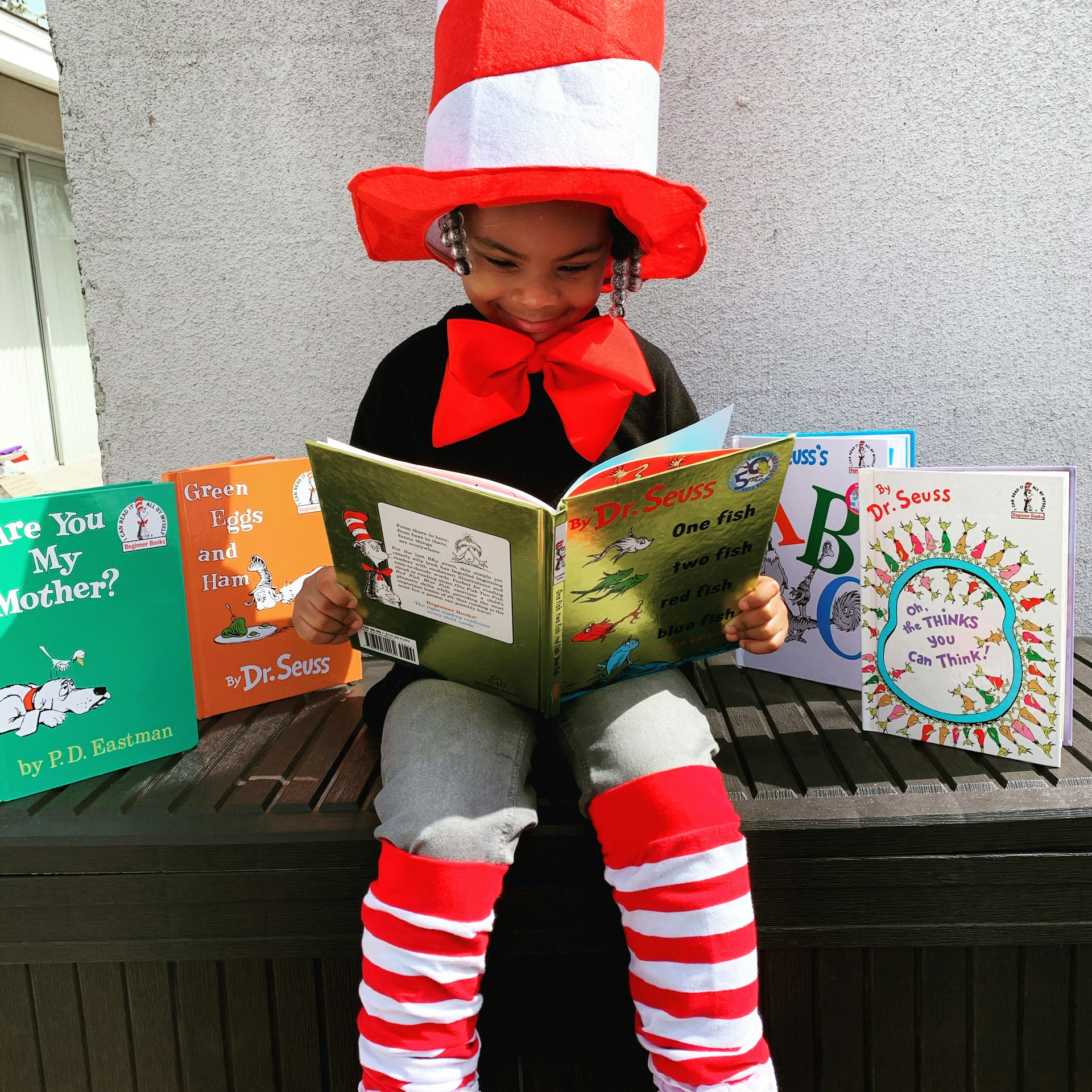
Photo by Catherine Hammond on Unsplash